Understanding CNC Milling Services
CNC milling services have become an integral part of modern manufacturing, providing precision and flexibility in fabricating intricate parts across various industries. With the ability to transform raw materials into highly detailed components, CNC milling is revolutionizing how products are developed and produced. Manufacturers around the globe turn to CNC Milling Services to streamline production processes and enhance product quality.
What are CNC Milling Services?
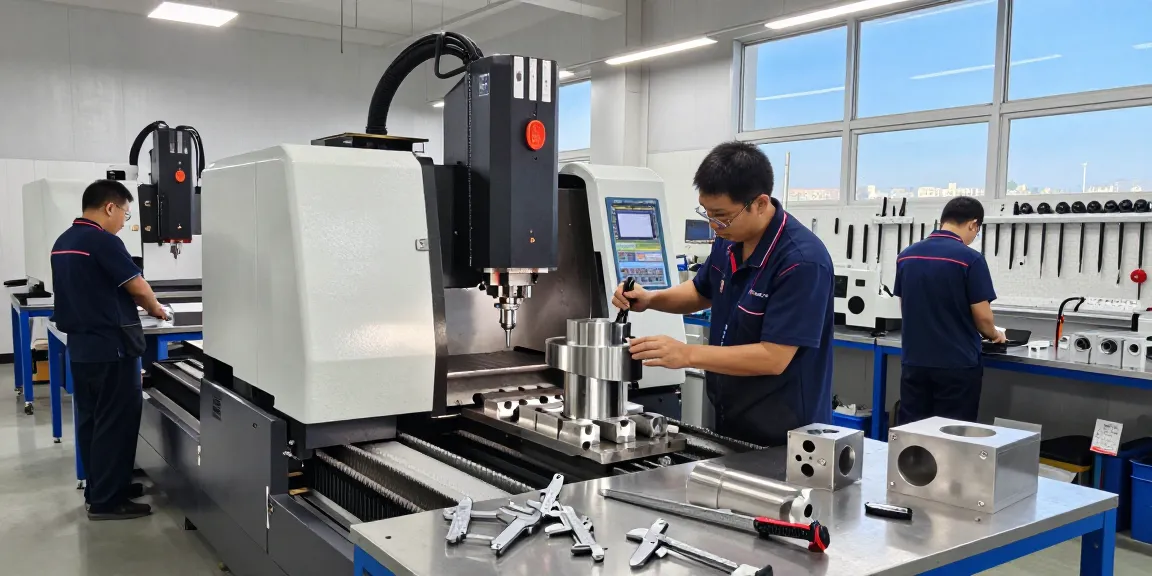
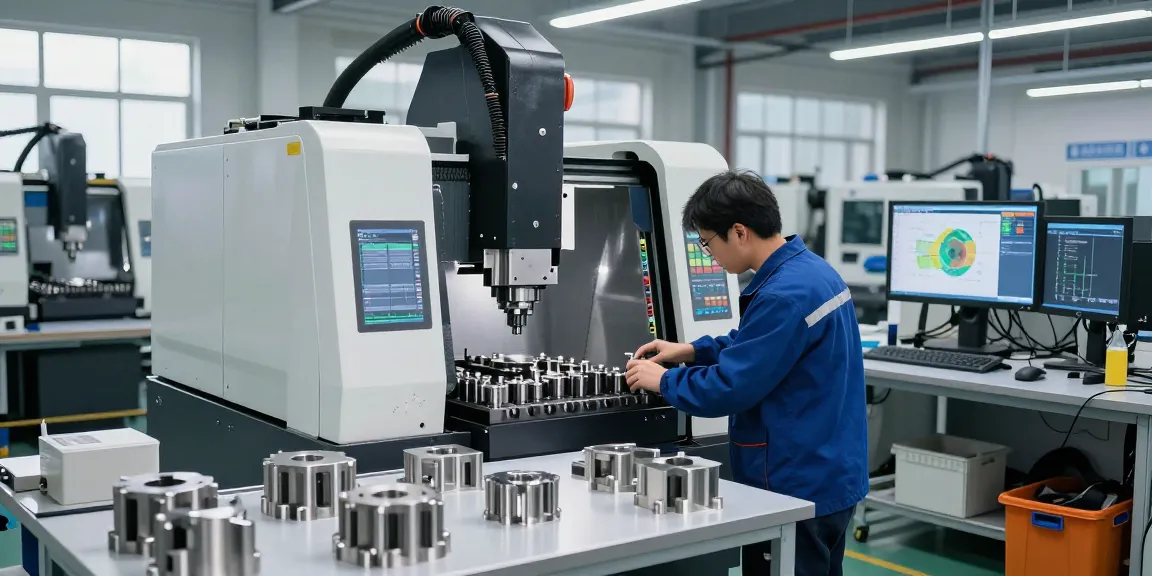
CNC (Computer Numerical Control) milling services utilize computer-controlled machinery to remove material from a solid block to create specific shapes and features. This subtractive manufacturing process is commonly used for producing parts that require high precision and repeatability, making it ideal for industries such as aerospace, automotive, and medical devices.
Key Benefits of CNC Milling for Manufacturers
- Precision: CNC milling machines can achieve tolerances as tight as ±0.001", allowing for the production of complex geometries and intricate designs.
- Efficiency: Automated processes reduce production time and labor costs significantly compared to manual machining methods.
- Flexibility: CNC milling can swiftly produce both prototypes and large production runs, accommodating various volumes and specifications.
- Repeatability: Once programmed, CNC machines can produce multiple identical parts without variation, enhancing consistency in quality.
Types of Materials Used in CNC Milling
CNC milling services can work with a diverse range of materials, including but not limited to:
- Metals: Aluminum, stainless steel, brass, and titanium are commonly milled due to their strength and durability.
- Plastics: Thermoplastics like ABS, nylon, and PVC are also suitable for CNC milling, offering versatility for lightweight components.
- Composites: Materials like carbon fiber and fiberglass can be machined using CNC milling for high-performance applications.
The CNC Milling Process Explained
Step-by-Step Overview of CNC Milling
The CNC milling process involves several key stages, from design to final product:
- Design Creation: Engineers create a detailed CAD drawing of the part to be manufactured.
- Programming: The CAD design is converted into G-code that instructs the CNC machine on how to move and operate.
- Setup: The CNC machine is prepared with the necessary tools and the raw material is securely fixed.
- Machining: The CNC machine executes the programmed commands to cut, mill, and shape the material into the desired part.
- Quality Control: Finished parts are inspected for dimensional accuracy and surface finish using advanced measuring tools.
Common Techniques and Tools Used
CNC milling employs various techniques and tools to achieve the desired results, including:
- End Mills: Used for precise cutting and shaping, available in various geometries to meet specific needs.
- Face Mills: Useful for machining flat surfaces and achieving desired surface finishes.
- Drilling: Integrated drilling operations can create holes in parts during the milling process, enhancing efficiency.
- Ball Nose Mills: Ideal for machining complex curves and contours, providing a smooth surface finish.
Quality Control Practices in CNC Milling
Ensuring the quality of CNC milled parts is critical. Manufacturers typically implement strict quality control practices, such as:
- Dimensional Inspection: Using calipers, micrometers, and coordinate measuring machines (CMM) to ensure parts meet specified tolerances.
- Surface Finish Evaluation: Inspecting surface finishes to confirm they meet design specifications and industry standards.
- Material Verification: Conducting tests on raw materials to ensure they conform to required material grades and qualities.
Challenges in CNC Milling Services
Potential Pitfalls in CNC Milling
While CNC milling services offer numerous advantages, there are challenges that manufacturers may encounter:
- High Setup Costs: Initial costs for CNC machinery and tooling can be significant, particularly for small businesses.
- Material Limitations: Not all materials can be effectively milled, which can limit design options.
- Programming Complexity: Creating and optimizing G-code can require specialized knowledge and experience.
How to Overcome Common CNC Milling Obstacles
To mitigate the challenges associated with CNC milling, manufacturers can adopt several strategies:
- Invest in Training: Providing staff with training on CNC programming and operations can improve efficiency and reduce errors.
- Use Advanced Software: Implementing CAD/CAM software can streamline the design and programming processes.
- Outsource When Necessary: For specialized projects, consider outsourcing to experienced CNC milling service providers to leverage their expertise.
Misconceptions About CNC Milling Services
Several misconceptions about CNC milling persist in the industry, including:
- CNC Milling is Only for Large Runs: While ideal for mass production, CNC milling is also effective for low-volume runs and prototyping.
- Only Metals Can Be Milled: A variety of materials, including plastics and composites, can be machined using CNC milling.
- It’s Too Complex for Small Businesses: With advancements in technology, smaller enterprises can now afford CNC services that were once exclusive to larger industries.
Real-World Applications of CNC Milling
Case Studies: Successful CNC Milling Projects
Numerous industries have successfully integrated CNC milling into their production processes. Here are a few notable examples:
- Aerospace: CNC milling is used to create critical components like engine mounts and brackets, which require rigorous precision.
- Automotive: Manufacturers rely on CNC milling for producing intricate parts such as transmission components and chassis parts to ensure durability and performance.
- Medical Devices: CNC machined prototypes of surgical instruments demonstrate the technology's capability for creating sterile and precise tools.
Industry-Specific Applications of CNC Milling
CNC milling services are utilized in various sectors, including:
- Consumer Electronics: Precision machining of housings and internal components to meet stringent performance standards.
- Industrial Equipment: Production of custom parts for machinery that enhance productivity and operational efficiency.
- Defense: Manufacturing of tactical components and equipment that must adhere to strict safety and reliability standards.
The Role of CNC Milling in Product Development
In product development, CNC milling serves as a vital tool for rapid prototyping and validation of designs. It enables engineers to create functional parts swiftly, allowing for testing and iteration before full-scale production. This iterative development process not only shortens lead times but also ensures that the final product meets market demands.
Future Trends in CNC Milling Services for 2026 and Beyond
Emerging Technologies Revolutionizing CNC Milling
The CNC milling industry is on the brink of transformative changes driven by technology. Innovations such as:
- Artificial Intelligence: AI-driven analytics and machine learning can optimize milling processes, predicting maintenance needs and minimizing downtime.
- Advanced Materials: The development of novel alloys and composites will expand the capabilities of CNC milling, allowing for stronger and lighter parts.
- Cloud-Based Manufacturing: The integration of cloud technology can facilitate remote operation and monitoring of CNC machines, enhancing flexibility.
Customization and Automation in CNC Services
Customization and automation will play a crucial role in shaping the future of CNC milling services. Manufacturers increasingly demand tailored solutions that meet specific needs, while automation will improve efficiency and reduce labor costs.
Predictions for the CNC Milling Industry in the Next Decade
Experts predict that the CNC milling industry will continue to grow, driven by the increasing demand for precision manufacturing in various sectors. The rise of additive manufacturing could also influence CNC applications, leading to hybrid processes that combine traditional and modern techniques for enhanced outcomes.
What are the Latest Innovations in CNC Milling?
Recent innovations in CNC milling technology include:
- 5-Axis Machining: This technology allows for more complex geometries and reduces the need for multiple setups, thus saving time and improving accuracy.
- High-Speed Machining: Advanced tooling and spindle technology enable faster cutting speeds and improved surface finishes.
- Integrated Robotics: The use of robotics in CNC setups can automate loading and unloading processes, increasing production efficiency.
How to Stay Competitive with CNC Milling Services?
To remain competitive, manufacturers should focus on continuous improvement, investing in training and technology upgrades. Building strong relationships with suppliers and utilizing efficient supply chain management can also enhance competitiveness in the rapidly evolving CNC milling landscape.