Understanding CNC Machining and Its Applications
CNC machining, or Computer Numerical Control machining, represents a sophisticated manufacturing process that utilizes computerized systems to control tools and machinery. This technology allows for high precision and efficiency in the fabrication of parts, especially those made from robust materials like stainless steel. As industries continue to evolve, the demand for high-quality, durable components has surged, making it essential to understand the intricacies of CNC stainless steel parts. When exploring options, cnc stainless steel parts suppliers provide comprehensive insights into finding reliable manufacturing partners that meet rigorous industry standards.
What is CNC Machining?
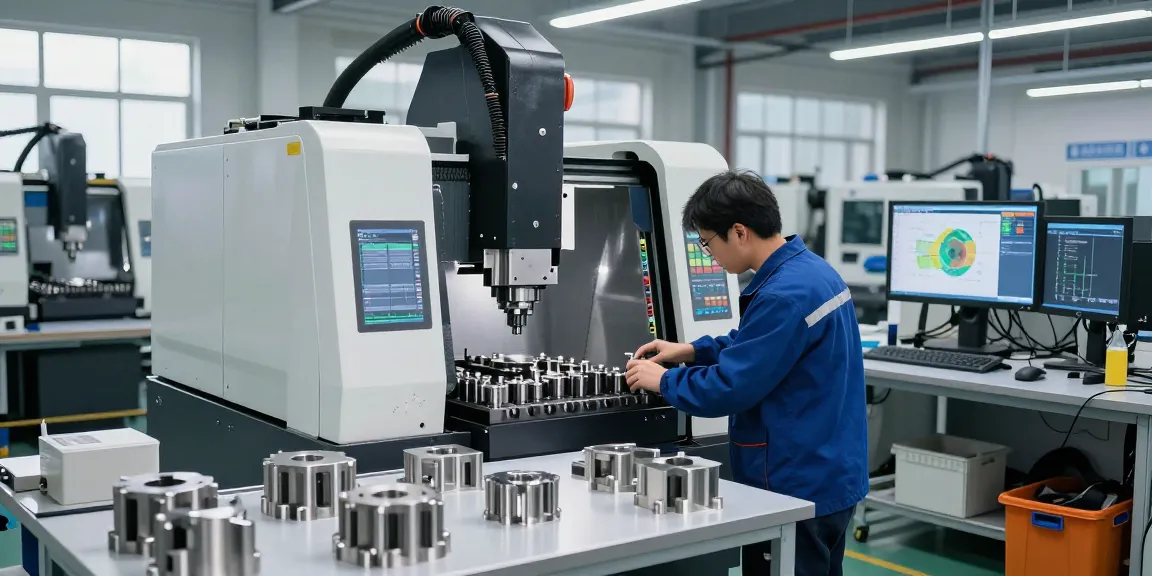
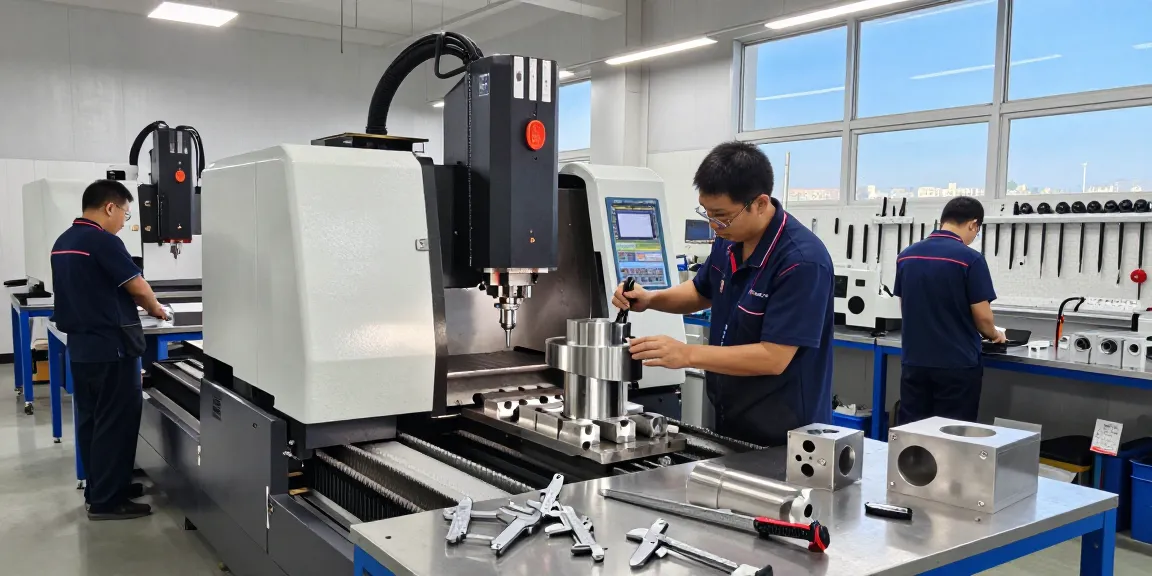
CNC machining involves the automated control of machining tools via computer programming. Unlike traditional machining methods, which rely heavily on manual operations, CNC machining allows for greater accuracy and speed. The process begins with a digital design file, typically created in CAD (Computer-Aided Design) software, which is then converted into a CNC program that directs the machining processes, from turning and milling to drilling and grinding.
Applications of CNC Machining in Various Industries
The versatility of CNC machining translates to its application across numerous sectors. Here are a few notable industries benefitting from CNC stainless steel parts:
- Aerospace: High-strength stainless steel components are vital for aircraft, where performance and safety are paramount.
- Automotive: CNC machining produces parts such as engine components and frames, improving fuel efficiency and durability.
- Medical: Precision machined stainless steel parts are essential in medical devices, ensuring reliability and sterility.
- Electronics: CNC technology aids in creating intricate housings and components for various electronic devices.
Benefits of Using CNC Stainless Steel Parts
Utilizing CNC machining for stainless steel parts presents numerous advantages:
- Precision: CNC machines produce parts with minimal tolerances, ensuring high-quality outputs that meet specifications.
- Consistency: Automated processes reduce the risk of human error, leading to uniform parts across large production runs.
- Complex Designs: CNC technology allows for the production of intricate geometries that would be difficult to achieve by hand.
- Scalability: Once a design is finalized, CNC machining can easily scale production to meet increasing demand.
Finding Reliable CNC Stainless Steel Parts Suppliers
Identifying the right CNC stainless steel parts suppliers is crucial for any business looking to ensure quality and reliability in their manufacturing processes.
Key Factors to Consider When Choosing Suppliers
When evaluating potential suppliers, consider the following factors:
- Experience: Look for suppliers with a proven track record in CNC machining and stainless steel fabrication.
- Capabilities: Ensure that the supplier can handle the complexity and quantity of your order.
- Quality Assurance: Check if the supplier follows recognized quality standards and certifications.
- Customer Service: Good communication and support throughout the order process can prevent misunderstandings and delays.
Top Online Platforms for Sourcing Suppliers
Several online platforms can be advantageous for sourcing CNC stainless steel parts suppliers, including:
- ThomasNet: A comprehensive directory that connects buyers with suppliers in North America.
- Alibaba: A global marketplace where you can find manufacturers and suppliers from various regions.
- Maker's Row: Focuses on U.S. manufacturers and facilitates connections with local suppliers.
Evaluating Supplier Capabilities and Quality Standards
Once you have a shortlist of suppliers, evaluate their capabilities through:
- Requesting Quotes: Get detailed quotes that include pricing, lead times, and shipping options.
- Factory Visits: If possible, visit the manufacturing facilities to assess their machinery and workflow.
- Samples: Request samples of previous work to verify quality and adherence to specifications.
Cost Factors in CNC Machining
Understanding the cost structure of CNC machining can help you budget effectively and avoid unexpected expenses.
Understanding Pricing Structures of CNC Stainless Steel Parts
The pricing of CNC stainless steel parts is influenced by various factors, including:
- Material Costs: Stainless steel types vary in price, with higher grades costing more.
- Complexity of Design: More intricate designs require longer machining times and more advanced techniques.
- Production Volume: Higher quantities typically result in lower per-unit costs due to economy of scale.
Hidden Costs to Anticipate in CNC Machining Projects
Be aware of potential hidden costs that can impact your projects:
- Setup Fees: Initial setup costs can add up, especially for custom designs.
- Shipping Costs: Consider logistics and transportation fees when ordering from suppliers.
- Post-Processing: Additional finishing processes, such as polishing or coating, can increase overall costs.
How to Negotiate Better Prices with Suppliers
To secure favorable pricing, consider these negotiation strategies:
- Research: Understand market rates and competitor prices to leverage during negotiations.
- Long-Term Relationships: Building a solid partnership with a supplier can lead to discounts on future orders.
- Volume Discounts: If you anticipate large orders, discuss volume pricing to lower costs.
Quality Assurance in CNC Machining
Quality assurance is paramount in CNC machining to ensure that manufactured parts meet industry standards and client specifications.
Importance of Quality Control in Manufacturing
Effective quality control processes help identify and eliminate defects, ensuring reliability in the final product. It builds trust with clients and can prevent costly recalls or repairs.
Common QC Standards for CNC Stainless Steel Parts
Quality control standards often include:
- ISO 9001: Focuses on quality management systems to enhance customer satisfaction.
- AS9100: Specific to aerospace quality systems.
- FDA Compliance: Necessary for medical device manufacturing.
Implementing Effective Quality Assurance Processes
To ensure quality in CNC machining:
- Regular Inspections: Implement routine checks during production to catch errors early.
- Employee Training: Invest in training to ensure staff are knowledgeable in quality standards and machining techniques.
- Documentation: Maintain detailed records of inspections and corrections made during the manufacturing process.
Future Trends in CNC Machining for 2026 and Beyond
The landscape of CNC machining is continuously evolving with advancements in technology and changing industry demands. Here’s what to expect moving forward:
Emerging Technologies Impacting CNC Machining
As technology progresses, expect to see:
- AI Integration: Artificial intelligence will enhance process optimization and forecasting.
- IoT Connectivity: Internet of Things (IoT) technology will allow machines to communicate, providing real-time data analysis.
- Advanced Materials: New materials will emerge, enabling better performance and sustainability.
Sustainability Practices in CNC Manufacturing
With a growing emphasis on sustainable practices, the CNC industry will likely incorporate:
- Recycling Programs: Initiatives to recycle metal waste and reduce environmental impact.
- Energy-Efficient Machines: Adoption of machines that consume less energy and reduce overall operational costs.
The Role of Automation in Future CNC Operations
Automation will play a crucial role in enhancing productivity and reducing labor costs in CNC operations. The future will see an increase in automated systems for setup, monitoring, and quality control, allowing manufacturers to focus on more complex tasks.
What should I look for in a CNC stainless steel parts supplier?
Focus on their experience, production capabilities, quality assurance protocols, and customer service reputation.
How can I ensure quality when ordering CNC parts?
Request samples, verify certifications, and communicate clearly about your specifications and expectations throughout the production process.
What are the latest trends in CNC machining for 2026?
Expect advancements in AI, IoT integration, and sustainability practices that will shape the future landscape of CNC machining.
How do prices vary for CNC stainless steel parts?
Pricing varies based on factors such as material grade, complexity of design, and order volume. Understanding these factors will help you prepare an accurate budget.
What industries benefit the most from CNC stainless steel parts?
Aerospace, automotive, medical, and electronics industries are among those that benefit significantly from the precision and reliability of CNC stainless steel components.