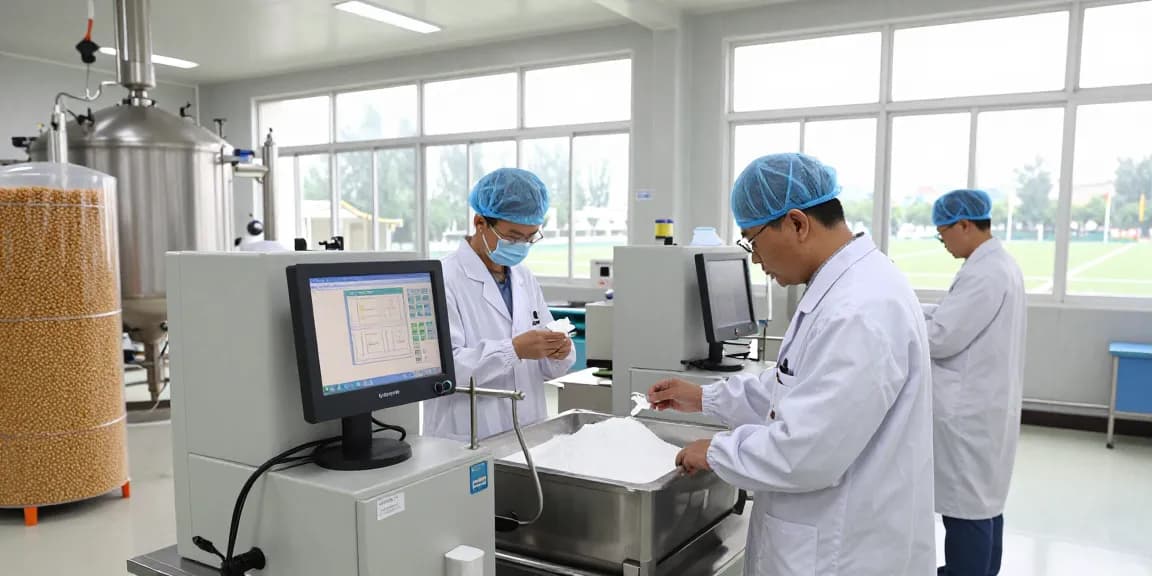
Understanding Lecithin Powder: What Is It?
Lecithin powder is a vital ingredient in various industries, known for its emulsifying properties and versatility in food, pharmaceuticals, and cosmetics. Derived primarily from soybeans and sunflowers, this phospholipid plays a crucial role in product formulation by improving texture and stability. As the demand for high-quality lecithin powder rises, manufacturers continue to innovate and optimize their production processes, ensuring a sustainable supply that meets the growing market needs. When exploring options, lecithin powder provides comprehensive insights into various applications and benefits.
Definition and Composition of Lecithin Powder
Lecithin is a yellowish-brownish fatty substance found in animal and plant tissues. In its powdered form, lecithin consists of emulsifiers and phospholipids, including phosphatidylcholine, phosphatidylethanolamine, and phosphatidylinositol. These compounds are essential for maintaining cellular integrity and fluidity, making lecithin a popular additive in various formulations. The most common sources are soybean, sunflower seeds, and egg yolks, each contributing unique properties to the lecithin powder.
Sources of Lecithin: Soybeans, Sunflower, and Beyond
The primary sources of lecithin powder are:
- Soybean Lecithin: The most widely used form, known for its high phosphatidylcholine content. It is non-GMO and often favored in food products.
- Sunflower Lecithin: An excellent alternative for those with soy allergies, sunflower lecithin is generally considered more organic and non-transgenic, making it suitable for natural product formulations.
- Egg Yolk Lecithin: Rich in antioxidants, this type is often utilized in cosmetic and pharmaceutical applications due to its emulsifying properties.
- Rapeseed Lecithin: Another emerging source, rapeseed lecithin, is gaining popularity for its nutritional benefits, especially in health supplements.
Key Benefits and Applications in Various Industries
Lecithin powder is celebrated for its multifunctional benefits across different sectors. In the food industry, it acts as an emulsifier, stabilizing mixtures of water and oils. In the pharmaceutical field, it's used as a dispersing agent for medications, enhancing bioavailability. Moreover, its antioxidant properties make it valuable in cosmetics, improving the shelf life and efficacy of products. Lecithin also supports heart health and cognitive functions, making it a sought-after ingredient in dietary supplements.
Why Choose Lecithin Powder for Your Products?
Quality Testing and Assurance Standards
The quality of lecithin powder is paramount, as it directly impacts product effectiveness and safety. Leading manufacturers adhere to stringent quality assurance protocols, which include testing for purity, potency, and contamination. Certifications such as ISO 9001 and Kosher ensure products meet international safety standards, providing consumers with confidence in their choices.
Non-GMO and Organic Certification Importance
With increasing awareness about health and sustainability, many consumers prefer non-GMO and organic products. Lecithin sourced from organic sunflower is particularly appealing, as it avoids the use of harmful pesticides and chemicals. Non-GMO and organic certifications not only enhance the marketability of lecithin powder but also reflect a commitment to sustainability and health.
Comparing Lecithin Powder Types: Soy vs. Sunflower
When evaluating lecithin powder, the choice between soy and sunflower can significantly affect product outcomes. Soy lecithin features a higher phosphatidylcholine content, which offers strong emulsifying properties, making it ideal for food applications. On the other hand, sunflower lecithin is favored in clean label products, catering to the growing demand for organic and allergen-free options. Understanding these differences is crucial for manufacturers looking to optimize their formulations.
Production and Processing of Lecithin Powder
The Manufacturing Process: From Seed to Powder
The production of lecithin powder involves several steps, commencing with the selection of high-quality raw materials. After extraction from soybeans or sunflowers, the crude lecithin undergoes a degumming process to remove impurities, followed by deodorization and drying to yield powdered lecithin. Advanced techniques like HPLC-ELSD are employed to ensure the precise quantification of active compounds, thus guaranteeing high-quality end products.
Innovations in Lecithin Production Technology
Recent advancements in production technology have significantly enhanced lecithin extraction processes. Cold extraction methods preserve the integrity of phospholipids, resulting in higher yields and better-quality lecithin. Additionally, innovations in fermentation technology are allowing for the development of lecithin from alternative sources, further diversifying product offerings.
Quality Control Measures in Lecithin Manufacturing
Quality control is intrinsic to lecithin manufacturing, ensuring that every batch meets established standards. Testing for heavy metals, residual solvents, and microbiological contaminants is essential, along with third-party evaluations from accredited laboratories. This rigorous quality management approach builds trust and reliability in the supply chain.
Market Insights and Trends for Lecithin Powder in 2026
Current Market Demand and Growth Projections
The global lecithin market is poised for significant growth, driven by rising health consciousness and the demand for clean label products. According to recent market research, the lecithin powder market is projected to grow at a compound annual growth rate (CAGR) of 7% through 2026. Innovations in product formulations and increasing applications in health supplements will further fuel this growth.
Emerging Applications in Health and Wellness Products
The health and wellness sector is increasingly utilizing lecithin powder for its potential cognitive benefits and role in heart health. As more consumers seek natural products that promote overall well-being, the demand for lecithin in dietary supplements and functional foods is expected to grow. This trend presents an opportunity for suppliers to develop specialized formulations catering to these emerging needs.
Consumer Preferences and Sustainability Considerations
Consumer preferences are shifting towards sustainably sourced ingredients, pushing manufacturers to prioritize eco-friendly practices. Lecithin derived from organic sources aligns with this trend, appealing to health-conscious consumers seeking transparency in product labeling and sourcing. Incorporating sustainability into product development not only meets consumer demands but enhances brand reputation.
Getting Started with Lecithin Powder: A Supplier’s Guide
How to Source Quality Lecithin Powder
Finding a reliable supplier for lecithin powder is crucial for ensuring high product quality. Prospective buyers should seek manufacturers with a proven track record, transparent supply chains, and the ability to provide certification and testing documentation. Engaging with suppliers who offer free samples can also help in assessing product quality before making larger purchases.
Packaging and Storage Best Practices
Proper packaging and storage are critical for maintaining lecithin powder's integrity. It is recommended to store lecithin in a cool, dry place away from direct sunlight and moisture. Using airtight containers minimizes oxidation and prolongs shelf life. Suppliers should adhere to industry best practices for packaging, ensuring that products arrive intact and maintain their quality during transit.
Regulatory Compliance and Certification Processes
Compliance with regulatory standards is non-negotiable for lecithin suppliers. This includes adhering to food safety regulations and obtaining necessary certifications. Manufacturers should regularly update their quality management systems to reflect changes in regulations and standards, ensuring continuous compliance and enhancing credibility in the market.
What are the health benefits of lecithin powder?
Lecithin powder is known for its numerous health benefits, including improved cognitive function, heart health support, and enhanced digestion. It acts as a natural emulsifier, aiding in the absorption of fat-soluble vitamins and other nutrients.
How is lecithin powder produced?
The production of lecithin powder involves extraction from soybeans or sunflowers, followed by processes like degumming, deodorization, and drying. Quality control measures ensure that the final product meets industry standards.
What makes soy lecithin different from sunflower lecithin?
Soy lecithin typically contains higher phosphatidylcholine levels, making it an effective emulsifier. In contrast, sunflower lecithin is preferred for its organic and non-GMO properties, appealing to health-conscious consumers.
How can I ensure the quality of lecithin powder?
To ensure quality, choose suppliers that conduct rigorous testing and provide certifications. It's also advisable to request third-party testing reports to validate product quality.
What industries use lecithin powder and why?
Lecithin powder is utilized in various industries, including food, pharmaceuticals, and cosmetics. Its emulsifying properties make it essential for product formulation, enhancing texture and stability.