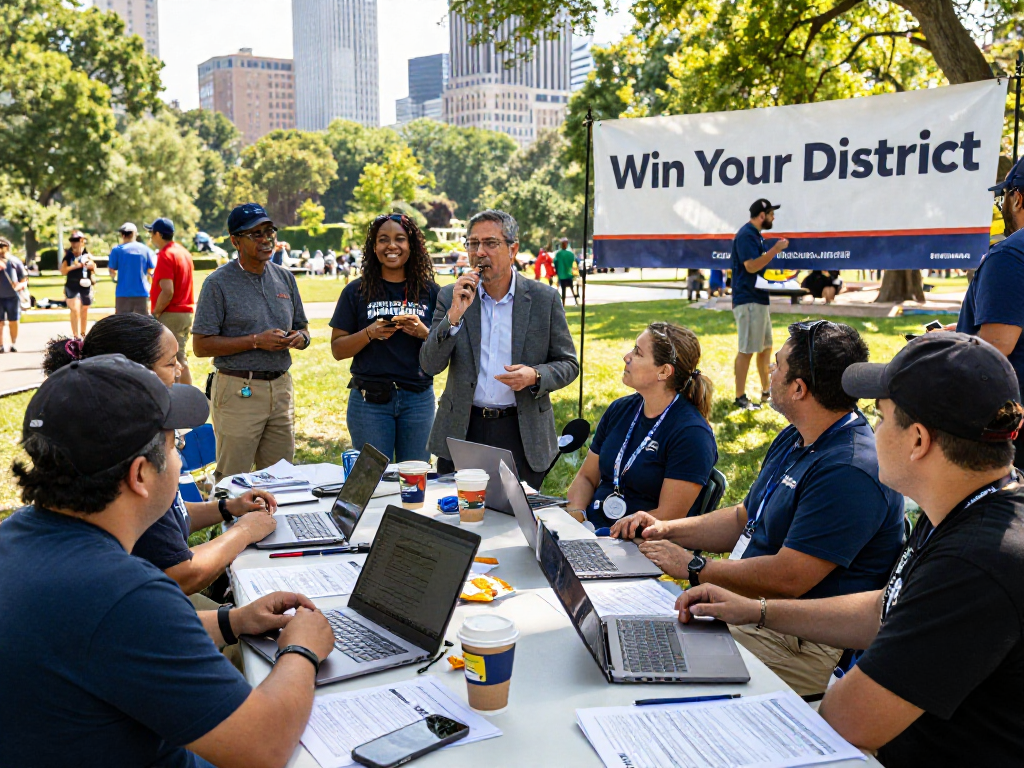
Introduction to Geofencing Political Advertising
In today's fast-paced political landscape, understanding your voters is more critical than ever. As we move towards the 2026 elections, the way campaigns engage with constituents is evolving. One of the most effective methods that has emerged is geofencing political advertising. This powerful tool allows campaigns to deliver targeted messages to voters based on their geographic location, significantly increasing the relevance and impact of their outreach efforts. By leveraging precise voter data, candidates can connect with constituents in a tailored manner, optimizing their chances of success at the polls.
What is Geofencing in Political Campaigns?
Geofencing is a location-based marketing technique that uses GPS or RFID technology to create a virtual boundary around a specific geographic area. In the context of political campaigns, this means that political ads can be triggered when a user enters a defined region, such as a neighborhood, district, or even an event venue. The ads can be delivered via mobile devices, making it possible to reach voters directly in the places where they live, work, and socialize.
This approach allows campaigns to capitalize on real-time opportunities. For example, if a candidate is attending a town hall meeting, geofencing can ensure that individuals within a certain radius receive notifications about the event, boosting attendance and engagement.
The Importance of Targeting Voters Effectively
In political advertising, broad messaging often fails to resonate with the electorate. By employing geofencing, campaigns can ensure that their messages are not only seen but are also pertinent to specific groups of voters. This targeted approach maximizes the effectiveness of advertising spend, making each dollar work harder in reaching the right audience.
Moreover, effective targeting leads to improved voter turnout. When messages are relevant to individual voters, they are more likely to engage with the content, attend events, and ultimately cast their votes on election day.
Understanding the Costs of Geofencing Services
While the benefits of geofencing are substantial, it's essential to understand the associated costs. Many services operate under a pay-per-click or budget-based model, which can vary widely depending on the geographic area targeted and the competition for ad space. Campaigns should plan their budgets meticulously, taking into account the scale of their desired outreach and the specific regions they wish to influence.
Ultimately, the investment in geofencing should be viewed as part of a broader strategy aimed at ensuring campaign success. When integrated effectively with targeted data and messaging, the financial outlay becomes a worthy expense in the fight for voter engagement.
Why Data is the Foundation of Successful Campaigns
How Quality Voter Data Enhances Targeting
Data is the backbone of political campaigning, and its role in enhancing targeting cannot be overstated. Quality voter data—including demographics, voting history, and preferences—provides campaigns with critical insights needed to craft effective messages. Utilizing this data ensures that campaigns can pinpoint exactly who they need to reach and how best to engage them.
For example, if voter data indicates a high concentration of undecided voters in a certain district, campaigns can tailor their messaging to address key issues that are likely to sway those individuals. This approach allows for more dynamic and responsive campaign strategies, ultimately leading to greater electoral success.
Building Your Campaign Strategy on Solid Data Insights
Building a campaign strategy without robust data is akin to sailing without a compass. Utilizing comprehensive voter files, campaigns can analyze trends, identify key voter segments, and allocate resources efficiently. This data-driven approach fosters better decision-making throughout the campaign lifecycle.
Campaigns that fail to use data effectively often miss opportunities to connect with voters. Therefore, integrating data analytics into every step of the campaign—from initial outreach to post-election evaluations—is crucial for long-term success.
Common Pitfalls in Using Voter Data
While leveraging voter data is essential, campaigns must also be wary of common pitfalls. One major issue is relying on outdated or incorrect data, which can lead to misguided targeting efforts. Additionally, over-segmentation can result in campaigns losing sight of broader messaging that unifies voters.
Another common mistake is failing to analyze engagement metrics properly. Without evaluating what resonates with voters, campaigns cannot adjust their strategies to be more effective. Regular data audits and performance assessments are essential to optimize campaign efforts continuously.
Implementing Geofencing Strategies
Best Practices for Effective Geofencing
Implementing geofencing requires careful planning to ensure that it is executed effectively. Here are some best practices:
- Define Clear Objectives: Understand what you want to achieve with geofencing. Whether it’s boosting event attendance or driving registration, having clear goals will shape your strategy.
- Choose the Right Locations: Identify key areas where your target voters are most likely to be. This could include neighborhoods, shopping centers, or public events.
- Craft Compelling Messages: Ensure that the ads delivered through geofencing are not only targeted but also engaging and relevant to the audience’s interests and needs.
- Monitor and Adapt: Use analytics tools to assess the effectiveness of your geofencing efforts in real-time. Be ready to make adjustments based on performance data.
Tools and Technologies for Campaign Management
The landscape of campaign management tools is rapidly evolving, offering various options to enhance geofencing efforts. Platforms like Google Ads and specialized political advertising services provide robust capabilities for managing geofencing campaigns. These tools allow campaigns to set up geofencing parameters, create targeted messaging, and analyze engagement metrics efficiently.
Additionally, integrating customer relationship management (CRM) systems with geofencing technology can provide a holistic view of voter interactions, aiding in creating personalized outreach efforts.
Integrating SEO and Digital Ads into Your Strategy
SEO and digital advertising are integral components of a successful political campaign. By optimizing campaign websites for relevant keywords, including those tied to geofencing efforts, campaigns can increase their visibility and drive traffic to targeted content.
Moreover, coordinating SEO strategies with geofencing initiatives ensures that when voters engage with ads, they can easily access additional information that reinforces campaign messages. This synergy fosters a more comprehensive approach to voter engagement.
Case Studies: Successful Geofencing Campaigns
Examining Local Campaigns that Leveraged Geofencing
Several local campaigns across the nation have successfully utilized geofencing to bolster voter engagement. For instance, a mayoral campaign in a mid-sized city used geofencing to direct ads to voters in specific neighborhoods with tailored messages reflecting local issues, resulting in a measurable increase in voter turnout.
The campaign effectively captured attention through targeted messaging around community events, which resonated well with constituents. By analyzing data post-election, they identified which geofenced areas yielded the highest engagement and adjusted their strategies accordingly for future races.
Lessons Learned from Nationwide Campaigns
Nationwide campaigns have also taken note of geofencing's potential. A prominent gubernatorial candidate utilized this technology to enhance outreach efforts during the primary season. By geofencing college campuses and urban areas, the campaign targeted younger voters effectively for both issue advocacy and voter registration drives.
The key lesson from such campaigns is the importance of flexibility and data analysis. As real-time engagement data rolled in, the campaign adapted its messaging and channels to better cater to the shifting landscape of voter preferences.
Analyzing Performance Metrics and Outcomes
Evaluating the success of geofencing campaigns involves analyzing key performance metrics. Click-through rates, engagement levels, and conversions are just a few of the indicators that reveal how well a campaign resonated with its audience.
Post-campaign analysis should include assessing not only the immediate impact of geofencing but also longer-term effects on voter loyalty and engagement. This provides invaluable insights for refining future strategies.
Future Trends in Political Advertising
Emerging Technologies Impacting Political Campaigns
As the landscape of political advertising continues to evolve, emerging technologies will shape how campaigns engage with voters. Innovations in artificial intelligence and machine learning are already providing campaigns with unprecedented insights into voter behavior, allowing for hyper-targeted outreach.
Furthermore, the rise of augmented reality (AR) and virtual reality (VR) may soon offer new avenues for immersive campaign experiences, taking voter engagement to a whole new level.
Predictions for Political Advertising in 2026
Looking ahead to the 2026 elections, it’s expected that geofencing will play an even more significant role in campaign strategies. With advancements in location tracking and data analysis, campaigns will be able to deliver even more personalized messages to voters.
Moreover, as privacy concerns grow, campaigns will need to navigate the changing regulations surrounding voter data and digital advertising practices, ensuring compliance while still effectively reaching their target audiences.
Preparing for Changes in Voter Behavior and Engagement
As voter behavior evolves, campaigns must be adaptable. Increased skepticism towards traditional advertising means that authenticity and transparency will become paramount in political messaging. Voters will demand more than just promises; they will seek real engagement and dialogue with candidates.
In response, campaigns should focus on building relationships with constituents through continuous engagement and responsive communication strategies. As we approach 2026, the ability to pivot and respond to changing voter sentiments will be a defining factor for successful campaigns.
What is geofencing and how does it work?
Geofencing involves setting up virtual boundaries around specific locations, allowing campaigns to trigger ads based on user proximity. This enables campaigns to connect with voters at critical moments, enhancing the relevance of their messaging.
Can geofencing political advertising improve voter turnout?
Yes, by delivering tailored messages to voters in real time, geofencing can significantly enhance engagement and, ultimately, voter turnout. Campaigns that implement geofencing effectively often see better participation rates in events and higher turnout on election day.
What are the key metrics to measure in geofencing campaigns?
Key metrics include click-through rates, engagement levels, conversion rates, and overall voter turnout in targeted areas. These metrics provide insights into the campaign’s effectiveness and help refine future strategies.
How does geofencing complement traditional advertising methods?
Geofencing serves as a powerful complement to traditional advertising by enhancing the immediacy and relevance of outreach efforts. While traditional methods may cast a wide net, geofencing allows campaigns to zero in on specific audiences based on location, making their messages more impactful.
What should campaigns consider when budgeting for geofencing?
When budgeting for geofencing, campaigns should consider the costs associated with technology, ad placements, and data analytics. Additionally, setting aside funds for real-time adjustments based on performance can lead to more effective spending.