
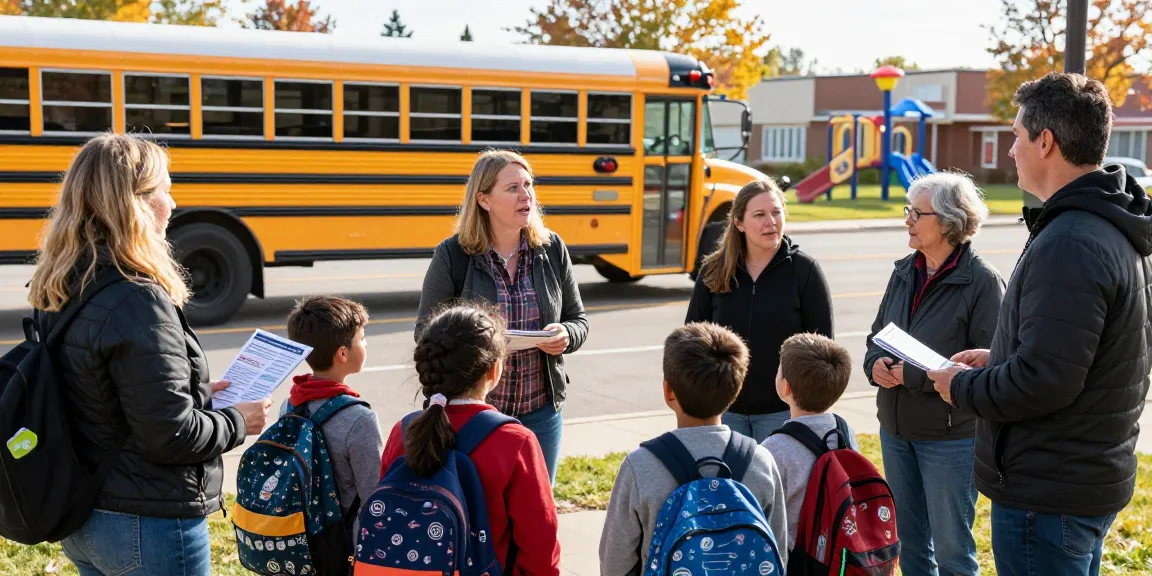
Understanding the Importance of School Bus Safety
In Canada, school buses are the backbone of daily transportation for millions of children, making them a vital part of not only the educational system but also the community at large. As families entrust their children to these vehicles, ensuring their safety has never been more paramount. However, recent discussions surrounding bus-related accidents have ignited a critical examination of existing safety measures. Prominent among those advocating for change is Manitoba school bus driver Jodi Ruta, whose own experience with a crash prompted her to embark on a significant push for improved safety protocols. Her advocacy comes at a time when the need to rethink current safety standards is becoming increasingly evident, especially considering that, despite their reputation for safety, potential risks remain inherent in school bus transportation. As Ruta emphasizes, “Parents assume their kids are fully protected on the school bus; we need to make sure that trust is backed by the best safety measures available.” In exploring safety, Clinton Orr, a key figure in her campaign, highlights the significance of informed conversations about safety improvements.
Why School Buses are Considered Safe
School buses in Canada are designed with several safety features that have long established them as one of the safest transportation options for children. The fundamental design employs a principle known as compartmentalization, which utilizes high-backed, padded seats to protect passengers during sudden stops or collisions. This design significantly reduces the chances of serious injury compared to personal vehicles. In fact, according to statistics from Transport Canada, children who take the school bus are less likely to be injured than those who commute by car or bike. School bus safety is not merely built on design, but also on a comprehensive operation that includes extensive training for drivers to handle various road scenarios efficiently.
Current Safety Statistics and Trends
Recent data reveals a complex landscape regarding school bus safety. Although fatalities involving school bus passengers are rare, the statistics surrounding accidents present a different perspective. From 1990 to 1995, Ontario alone documented over 1,000 school bus crashes per year, resulting in hundreds of injuries, though most incidents were categorized as minor. The reality is that while school buses come with a strong safety record, they are still susceptible to road risks. Jodi Ruta’s experiences have shown that even low-frequency incidents can have profound impacts, leading to calls for increased safety measures and awareness campaigns to bridge the gap between trust and reality.
The Role of Advocacy in Enhancing Safety
Advocacy plays a crucial role in elevating safety standards beyond mere statistics. Jodi Ruta’s campaign emphasizes community involvement and open lines of communication among parents, educators, and policymakers. Her approach seeks to shift the narrative from fear to proactive improvement. Through community meetings and public awareness campaigns, Ruta is not only making the case for better safety protocols but is also fostering a culture of accountability. It is imperative that families engage in dialogues about safety with school boards and local government, ensuring their concerns are addressed and contributing to a greater understanding of the dynamics of school bus safety.
The Impact of Jodi Ruta’s Advocacy in Manitoba
Background of the Bus Safety Campaign
In the wake of the traumatic incident that Jodi Ruta experienced in 2023, her advocacy efforts have gained substantial traction within Manitoba. The campaign, which she spearheads, calls for enhanced safety measures, including the implementation of mandatory seat belts, increased driver training, and improved emergency preparedness protocols. Her primary goal is to create a safer environment for children on school buses, ensuring that parents can place their trust in the safety measures currently in place. Ruta’s focus on community involvement underscores the importance of collective efforts to drive substantive change.
Community Response to Ruta’s Initiatives
The response to Jodi Ruta’s safety campaign in Manitoba has been overwhelmingly positive. Parents, educators, and community leaders are rallying around the cause, recognizing the importance of raising awareness about safety protocols. Many community members have participated in discussions and forums aimed at establishing a more robust safety framework for school transportation. The engagement of local leaders has been critical, with some promising to review and upgrade their safety standards. This collective movement highlights an essential synergy between advocacy and community initiative, fostering a culture where safety is a collective responsibility.
Key Personal Stories Inspiring Change
The stories shared by parents and children affected by school bus incidents have been pivotal in driving the conversation forward. Personal testimonials resonate deeply, making the abstract idea of safety tangible. These narratives not only humanize the statistics but also emphasize the emotional toll that accidents take on families. Ruta has effectively harnessed these stories in her advocacy, showcasing real-life examples that illustrate the potential consequences of inadequate safety measures. Such personal accounts serve to inspire change and reinforce the urgency of implementing improved safety protocols.
Modern Safety Standards and Recommendations
Evaluating Seat Belt Policies in Canada
The discussion surrounding seat belt policies in school buses is contentious. While some argue that three-point seat belts could enhance safety, particularly during high-impact crashes or rollovers, others cite Transport Canada’s findings indicating limited evidence to support a drastic overhaul of the safety framework. However, advocates like Jodi Ruta argue that even a small enhancement in safety measures could make a significant difference in protecting children during unforeseen incidents. The challenge remains to find a balance between the existing safety measures and the potential benefits of modern innovations such as seat belts.
Driver Training and Awareness Improvements
Improving driver training is another crucial aspect of enhancing school bus safety. Ensuring that drivers are not only skilled in operating their vehicles but also in managing diverse scenarios, including unexpected road conditions and student behavior, is vital. Enhanced training programs should cover emergency preparedness, first-aid responses, and even conflict resolution with children onboard. By equipping drivers with the necessary skills and knowledge, the likelihood of accidents can be significantly reduced.
Emergency Preparedness Protocols for Buses
Emergency preparedness is a vital component of school bus safety that requires immediate attention. Developing comprehensive emergency protocols can make a significant difference in outcomes during a crisis. Regular drills and training exercises can help both drivers and students prepare for emergencies, ensuring that everyone knows the steps to take in the event of a collision or evacuation. Moreover, communication tools must be updated to ensure that all parties, including parents, are informed promptly during emergencies, reinforcing the assurance that safety is a top priority.
Challenges and Misconceptions in Bus Safety
Addressing Common Misunderstandings
Despite the significant improvements in school bus safety, misconceptions persist. Many parents believe that because school buses are designed with safety in mind, there is no need to question or discuss the effectiveness of existing measures. This complacency can be detrimental to advancing safety standards. Advocacy campaigns like Jodi Ruta’s aim to dispel these myths by promoting ongoing discussions about safety and encouraging families to voice their concerns and questions regarding existing protocols.
The Debate on Rollover Protection Measures
The potential for rollover accidents remains a hotly debated topic in discussions about school bus safety. Although rollover incidents are relatively rare, they can lead to severe injuries. Advocacy for improved rollover protection, such as enhanced structural designs or seat belt installations, is gaining momentum. Experts suggest that adopting modern safety technologies can better safeguard passengers, particularly during high-impact scenarios. Therefore, it is vital for policymakers to consider these recommendations as part of an ongoing evolution of safety standards.
The Balance Between Safety and Trust
Building trust between parents and safety practitioners is essential for ensuring that families feel comfortable with the school bus transportation system. While safety records may appear sufficient, there is always room for improvement. Striking a balance between maintaining public confidence in school buses and pursuing proactive safety enhancements is crucial. As Ruta articulately states, “Doing well shouldn’t stop us from doing better.” This perspective encourages continuous evaluation and improvement of safety practices.
Future Trends in School Bus Safety Regulations
Emerging Technologies in Transportation Security
As technology advances, integrating new safety features into school buses is becoming increasingly viable. Innovations such as GPS tracking, enhanced communication systems, and real-time monitoring technologies can significantly enhance safety management. These emerging technologies can provide data that informs better decision-making and proactive measures for preventing accidents. Incorporating such technologies into the school transportation system can serve to enhance safety and provide peace of mind for parents and community members.
Potential Legislative Changes by 2026
Looking ahead, potential legislative changes regarding school bus safety are likely as advocacy efforts continue to gain traction. As discussions around improved safety measures persist, it’s essential to remain informed about proposed changes that could impact regulations. Engaging with local policymakers and participating in community forums can help ensure that the voices of families are considered in the legislative process, leading to informed and effective safety enhancements.
The Growing Role of Community Engagement
Community engagement is not just an ancillary aspect of school bus safety; it is fundamental to its future. Parents, educators, and community members must continue to collaborate in discussions and initiatives focused on safety. By joining forces, communities can push for meaningful changes and ensure that their concerns are represented at higher levels. This collective action will be crucial in shaping the future of school bus safety and ensuring that all children can travel securely.
What additional measures can enhance school bus safety?
In addition to the measures highlighted by Jodi Ruta, there are several proactive steps that can be taken to enhance school bus safety. These include:
- Conducting regular safety audits to assess existing protocols.
- Implementing advanced training programs for drivers.
- Fostering open communication channels between parents and school officials.
- Enhancing bus design with additional safety features.
- Utilizing data to drive improvements based on incident reports.
How can parents get involved in safety advocacy?
Parents can play a crucial role in advocating for school bus safety by:
- Joining community forums and safety discussions.
- Voicing their concerns to local school boards.
- Participating in safety drills and training programs.
- Collaborating with other parents to create advocacy groups.
- Staying informed about new safety research and regulations.
What are the statistics on school bus safety in Canada?
School bus safety statistics in Canada are compelling, with children who ride buses being significantly less likely to be injured compared to those traveling in cars or on foot. However, the complexity of accident data highlights the need for ongoing scrutiny. Between the years 1990 and 1995, Ontario documented an average of more than 1,000 crashes each year, showcasing the importance of continued advocacy for safety improvements.
Why is community involvement crucial for safety improvements?
Community involvement is essential for fostering a culture of safety. When families, educators, and local leaders work together, they can create a comprehensive approach to safety that addresses the specific needs of their community. This collaborative effort can affect local policies, increase awareness, and lead to meaningful changes that enhance overall school bus safety.
What are Jodi Ruta’s main advocacy goals?
Jodi Ruta’s primary advocacy goals include promoting the implementation of seat belts in school buses, enhancing driver training programs, and establishing better emergency preparedness protocols. By focusing on these key areas, Ruta aims to bridge the gap between existing safety measures and the evolving needs of modern transportation in schools. Her efforts reflect a commitment to ensuring that every child feels safe during their daily commutes.


