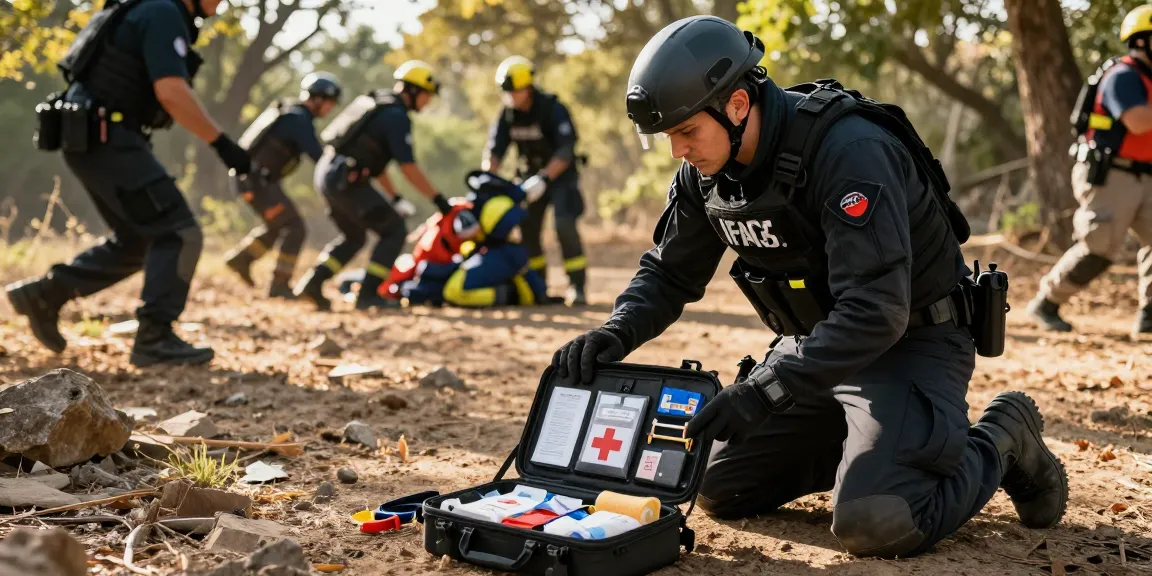
Understanding the Importance of a Tactical First Aid Kit
When it comes to emergencies, especially in high-stress environments, having immediate access to medical supplies can mean the difference between life and death. A Tactical First Aid Kit is not just a luxury but a necessity for first responders, military personnel, and civilians alike. These kits are expertly designed to address severe injuries quickly and effectively, ensuring that critical medical care is available at a moment’s notice. Whether you’re patrolling a neighborhood, heading into the wilderness, or simply looking to prepare for the unexpected, investing in a comprehensive Tactical First Aid Kit can greatly enhance your readiness.
Why Every First Responder Needs a Tactical First Aid Kit
First responders are often first on the scene in critical situations, making it imperative that they are equipped with the right tools to manage life-threatening injuries. Tactical First Aid Kits are tailored to provide essential supplies that can stabilize patients during the critical minutes before professional medical help arrives. This includes items for controlling severe bleeding, managing airway obstruction, and treating chest wounds. In essence, these kits serve as a safety net for individuals in harm’s way, allowing them to respond effectively when every moment counts.
The Evolution of Tactical First Aid Kits
The design and contents of Tactical First Aid Kits have evolved significantly over the years. Originally, first aid kits were simple, containing basic items like band-aids and antiseptics. However, as understanding of trauma care has advanced, so have the kits. Today’s IFAKs, or Individual First Aid Kits, are built around military-grade specifications, featuring durable materials and comprehensive supplies to tackle a variety of injuries, including gunshots, stab wounds, and blast injuries. This evolution reflects a broader recognition of the need for more specialized equipment among not only military personnel but also law enforcement and civilian prepper communities.
Key Features of Modern Tactical First Aid Kits
- Durable Materials: Modern kits are crafted from military-grade materials like Cordura fabrics, which are water-resistant and designed to withstand extreme conditions.
- Rapid Deployment: Many Tactical First Aid Kits feature intuitive layouts and quick-pull systems, allowing users to access supplies in seconds.
- M.A.R.C.H. Protocols: The contents are often organized around the M.A.R.C.H. framework—Massive Hemorrhage, Airway, Respiratory, Circulation, and Hypothermia—to prioritize treatment effectively.
- Customizability: Users can customize their kits based on specific needs, whether for outdoor adventures, law enforcement, or combat situations.
Core Components of an Effective Tactical First Aid Kit
An effective Tactical First Aid Kit must contain a wide range of supplies to cater to various medical emergencies. It’s essential to ensure that what you’re carrying is suitable for the environments you face and the injuries you might encounter.
Must-Have Medical Supplies for Rapid Response
- Tourniquets: Essential for controlling severe limb bleeding.
- Hemostatic Agents: Products that help stop bleeding faster.
- Chest Seals: To treat open chest injuries.
- Compression Bandages: Used for applying direct pressure to wounds.
- Bandages and Gauze: For general wound care and injury management.
Understanding M.A.R.C.H. Protocols in Kit Design
The M.A.R.C.H. protocols guide the arrangement and contents of Tactical First Aid Kits. This acronym stands for:
- M: Massive Hemorrhage – Control bleeding using tourniquets and hemostatic agents.
- A: Airway – Ensure the airway is clear; consider airway adjuncts if needed.
- R: Respiratory – Treat chest injuries with appropriate seals.
- C: Circulation – Monitor vital signs and manage shock.
- H: Hypothermia – Prevent heat loss through insulation and wrapping.
How to Customize Your Tactical First Aid Kit
Customization is key to a truly effective Tactical First Aid Kit. Consider the following factors when tailoring your kit:
- Environment: Urban, rural, or wilderness settings can dictate the supplies needed.
- Activities: Consider your activities—hiking, biking, or duty in the field—each has unique risks.
- Training: Your familiarity with certain medical procedures might influence the complexity of the kit.
Implementation and Use of Tactical First Aid Kits
Having a Tactical First Aid Kit is just the first step; knowing how to implement it effectively is critical. Proper training and understanding of your kit’s layout and contents will significantly enhance your response capabilities during an emergency.
Best Practices for Deploying Your First Aid Kit
In emergency situations, time is of the essence. Here are some best practices to keep in mind:
- Familiarize Yourself: Regularly review your kit, understanding each component’s purpose and usage.
- Practice Deployment: Conduct drills to practice quick access and use of the kit under simulated stress conditions.
- Stay Calm: In a real situation, keeping a clear head will aid in effectively delivering care.
Real-Life Scenarios Involving Tactical First Aid Kits
Being prepared means knowing how to react to various emergency situations. Consider these scenarios:
- Gunshot Wounds: In an active shooter situation, having a Tactical First Aid Kit allows for immediate control of bleeding and respiratory support.
- Outdoor Injuries: During a hiking trip, a fall resulting in severe lacerations can be managed effectively with the right supplies.
- Sports Injuries: For coaches and trainers, having a kit on hand can facilitate immediate care following accidents during practice or games.
Training for Efficient Use of Tactical First Aid Kits
Training is vital for ensuring that you can utilize your Tactical First Aid Kit effectively. Here are some recommendations:
- First Aid Courses: Enroll in certified training that covers trauma care and the use of specific medical supplies.
- Mock Scenarios: Engage in role-playing exercises to practice deploying your kit in a realistic context.
- Collaborate: Work with local emergency services to understand protocols and practices that can inform your kit’s use.
Evaluating the Effectiveness of Your Tactical First Aid Kit
Once you have your Tactical First Aid Kit ready, it’s important to evaluate its effectiveness routinely. Here are some metrics and methods to consider.
Performance Metrics for Tactical First Aid Utilization
- Response Time: Measure how quickly you can access and deploy your kit in a simulated emergency.
- Correct Use of Supplies: Assess whether you can use each component effectively and correctly.
- Outcome Tracking: Keep a record of how often your kit is used and the outcomes associated with those deployments.
Reviewing Case Studies: Success Stories in Emergency Care
Study real-life examples of successful interventions made with Tactical First Aid Kits. Analyze what worked, what didn’t, and how you can apply these lessons to your practices. One notable case involved a law enforcement officer using a Tactical First Aid Kit to save a civilian following a violent altercation, demonstrating the kit’s vital role in quick response scenarios.
Common Challenges and How to Overcome Them
Some challenges when relying on Tactical First Aid Kits include uncertain conditions and the psychological pressure of emergencies. To overcome these:
- Continuous Training: Regularly practice using your kit to improve your proficiency.
- Peer Support: Work with others in your community or organization to build team readiness and confidence.
- Debriefing: After any real use of your kit, take time to review the experience and learn from it.
Future Trends in Tactical First Aid Kits for 2026 and Beyond
The future of Tactical First Aid Kits is promising, with emerging trends set to revolutionize their design and functionality. Staying informed about these trends can ensure that you’re prepared for the challenges of tomorrow.
Emerging Technologies Shaping Tactical Medical Supplies
Innovations such as smart medical supplies with integrated sensors can enhance the effectiveness of Tactical First Aid Kits. For example, devices that can monitor vital signs and assess injury severity in real-time are in development, promising to transform how we respond to emergencies.
Anticipating Changes in Regulations and Standards
As medical standards evolve, so too will the contents and regulations surrounding Tactical First Aid Kits. It’s essential to keep abreast of these changes to ensure compliance and enhance your readiness.
Preparing for Future Medical Emergencies: What’s Next?
Consider the escalating risks in various environments—from urban settings with active shooter scenarios to natural disasters. Preparing for these possibilities involves not just having a well-stocked kit but also understanding the potential for new types of injuries and medical needs that will arise.
What is a Tactical First Aid Kit?
A Tactical First Aid Kit is a specialized medical kit designed to provide immediate care for traumatic injuries in high-pressure environments. It encompasses a variety of medical supplies, tailored for rapid response in emergencies.
How to Maintain Your Tactical First Aid Kit?
Regularly check the contents of your Tactical First Aid Kit to replace expired items and ensure everything is in working order. Periodic reviews every few months can help maintain its effectiveness.
What are the Best Practices for Using a Tactical First Aid Kit?
Best practices include familiarization with the kit’s contents, conducting regular drills, and practicing under simulated stress conditions to improve confidence and efficiency.
How Often Should You Update Your Tactical First Aid Kit?
Updating your Tactical First Aid Kit should be done at least bi-annually or whenever supplies have been used or expired. This ensures ongoing preparedness for emergencies.
Can I Customize My Tactical First Aid Kit for Specific Situations?
Yes! Customization based on your environment, activities, and training level is crucial for developing an effective Tactical First Aid Kit tailored to your needs.